US FDA rejects Summit lung cancer drug after trial fails
On Sunday, the US Food and Drug Administration denied approval for Summit Therapeutics' ivonescimab after a late-stage trial failed to meet its primary survival objective.
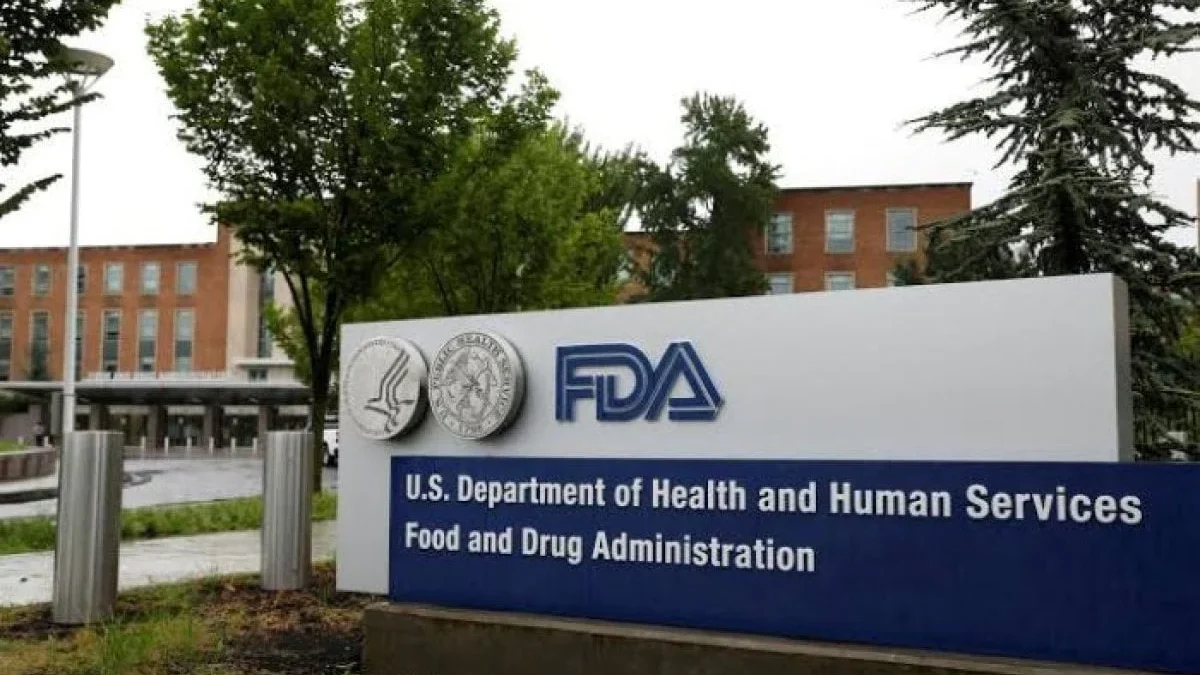
Regulatory decision blocks approval
On Sunday, the US Food and Drug Administration declined to authorize Summit Therapeutics' lung cancer medication. The agency issued a complete response letter citing insufficient data from the phase three trial submission. Officials determined that observed improvements in progression-free survival were not enough to prove overall survival benefits. Consequently, the drug cannot be used for patients with recurrent or refractory cancer at this time.
Trial results show mixed outcomes
The FDA noted that while ivonescimab prolonged progression-free survival it did not demonstrate a statistically meaningful increase in overall survival. This lack of statistical significance for overall survival remains a central indicator of long-term therapeutic value. Summit Therapeutics contends that extended observation validates the drug's benefit by citing revised data showing reduced death rates. These revised figures exhibit lower mortality among both Western and Asian patient subgroups according to the company.
Benefit risk balance questioned
Reuters reported that the agency found the improvement in progression-free survival insufficient to establish a positive benefit-risk balance for authorization. The FDA referenced the late-stage trial showing the drug failed to meet the primary endpoint required for approval. Summit argues their data supports safety and efficacy despite the initial rejection of the application.
Reported by one outlet
Only one outlet has published this. Nothing here has been checked against a second report, so read it as that outlet's account and follow the link below for the original.
Reported by
1 independent outlet. Headline as published. Links open the original report.