Scientists identify blood biomarker for living CTE diagnosis
Scientists from Washington University School of Medicine in St Louis found a blood protein fragment that could assist in diagnosing chronic traumatic encephalopathy in living patients.
Blood test detects advanced disease
Scientists found a specific protein fragment called eMTBR-tau243 in blood samples. This marker is elevated in Alzheimer's disease and other conditions sharing toxic protein buildup. Testing blood from 11 people with confirmed CTE showed higher levels than in healthy individuals. The results rose with the severity of the brain disease but could not identify early-stage cases.
Study published in JAMA Neurology
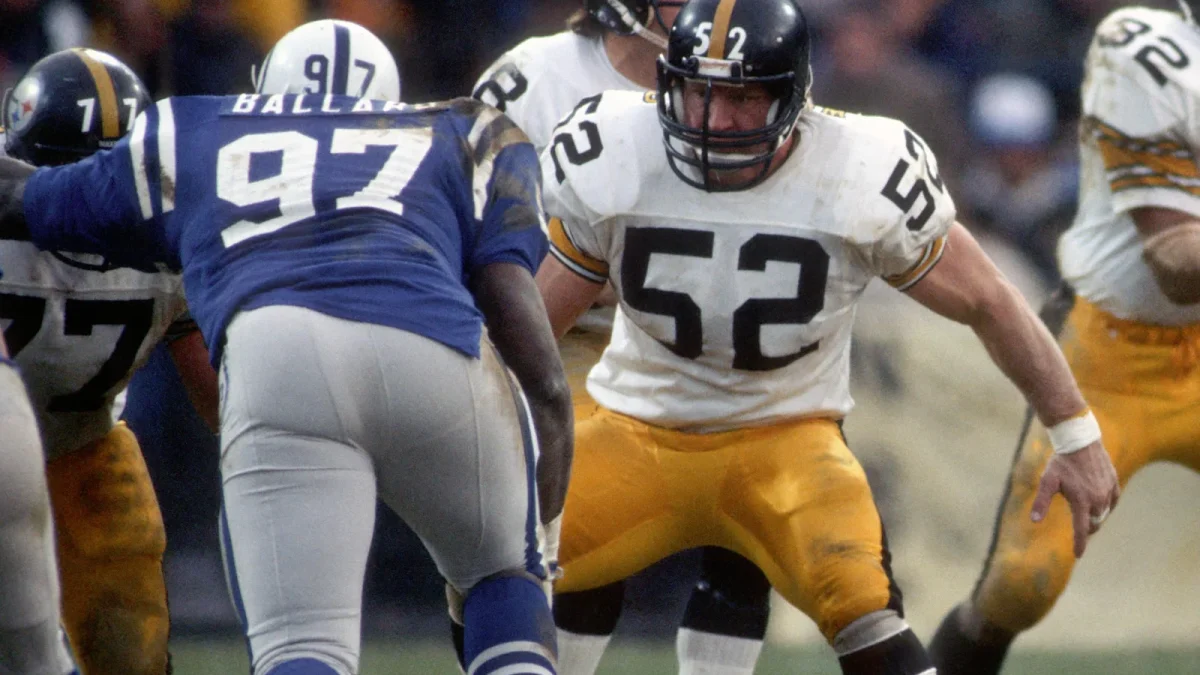
Kanta Horie and Chihiro Sato co-authored the study appearing in the medical journal JAMA Neurology. The team noted this biomarker is not standalone but works alongside history of head injury. A recent study of nearly 400 NFL players found 93.5% showed evidence of CTE after death. More than 350 NFL players have been diagnosed with the condition following autopsy examinations.
Legal cases and prevention rules
Living former rugby players including Steve Thompson face legal action regarding Traumatic Encephalopathy Syndrome diagnoses. Ricky Hatton received a mild CTE diagnosis after his death as a boxer. The Professional Footballers' Association recommended limiting ball headers to ten times weekly for professionals. Children under 12 should not head balls during training sessions according to the new protocol.
Reported by one outlet
Only one outlet has published this. Nothing here has been checked against a second report, so read it as that outlet's account and follow the link below for the original.
Reported by
1 independent outlet. Headline as published. Links open the original report.