Researchers modify natural cell packages to deliver drugs to cancer
Scientists at Carnegie Mellon University developed a method to use natural cellular vesicles as drug carriers for cancer treatment.
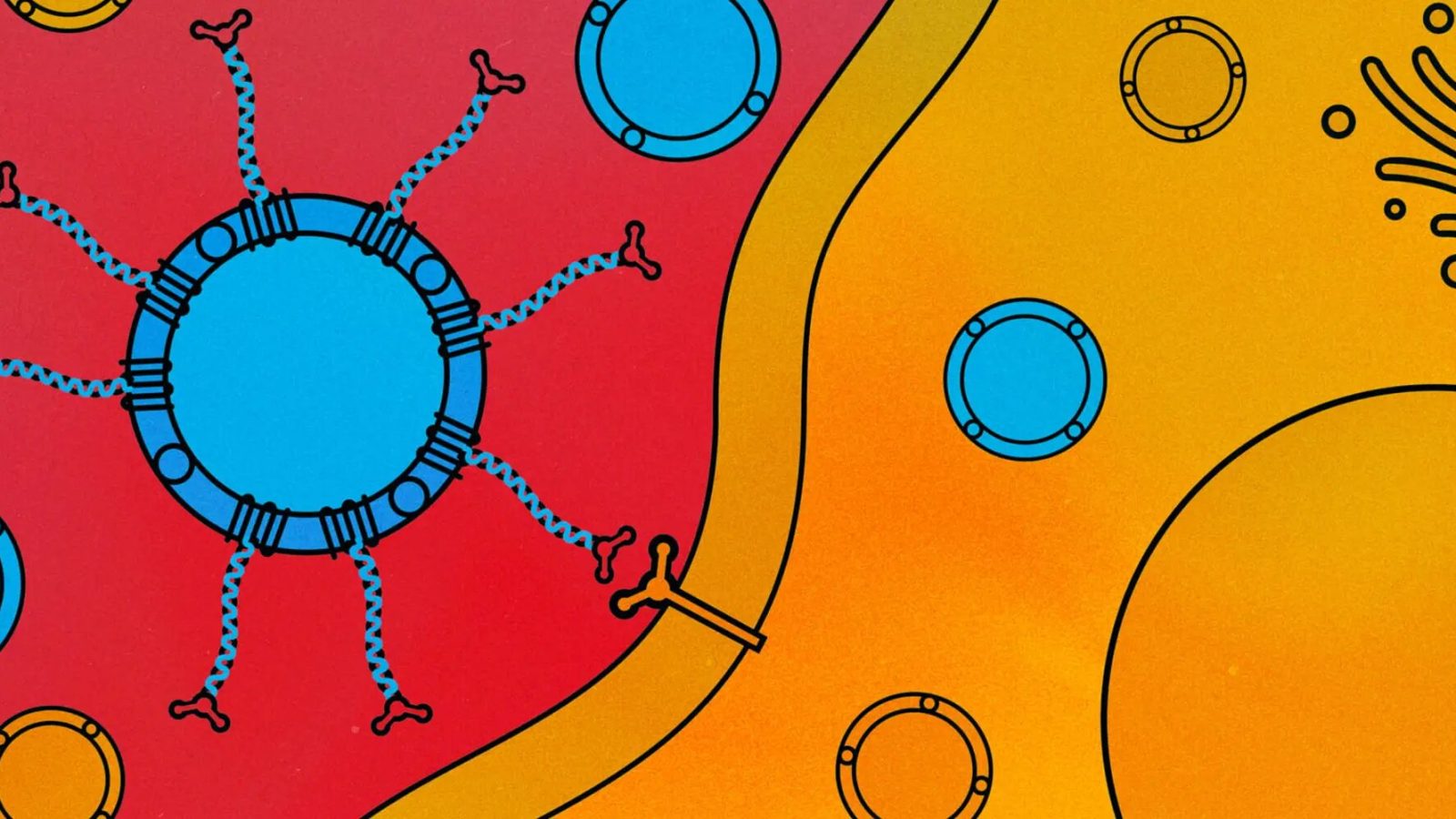
Natural transport systems become drug vehicles
Cells naturally produce tiny bubble-like structures called extracellular vesicles that move proteins and other molecules throughout the body. Researchers at Carnegie Mellon University have found a way to modify these natural packages to carry therapeutic cargo instead. This approach uses biological mechanisms already present in the human body to target specific cells.
Platform avoids unintended cell targets
Christopher Blum, a doctoral candidate in chemistry, created a platform that changes how these vesicles interact with different cell types. The new system allows treatments to reach cancer cells while avoiding healthy tissue that might absorb the carriers by mistake. This precision aims to improve drug effectiveness and reduce side effects for patients.
Study published in scientific journal
The research findings regarding this customizable DNA labeling technique were recently published in ACS Applied Bio Materials. The study demonstrates a low-cost method for engineering natural carriers to address challenges in current drug delivery systems.
Reported by one outlet
Only one outlet has published this. Nothing here has been checked against a second report, so read it as that outlet's account and follow the link below for the original.
Reported by
1 independent outlet. Headline as published. Links open the original report.