Rare pregnancy infections linked to higher autism and disability risks in Swedish study
A Swedish study from Karolinska Institutet published on September 23, 2026, found that rare TORCH infections passed from mother to fetus increase the risk of autism and intellectual disability.
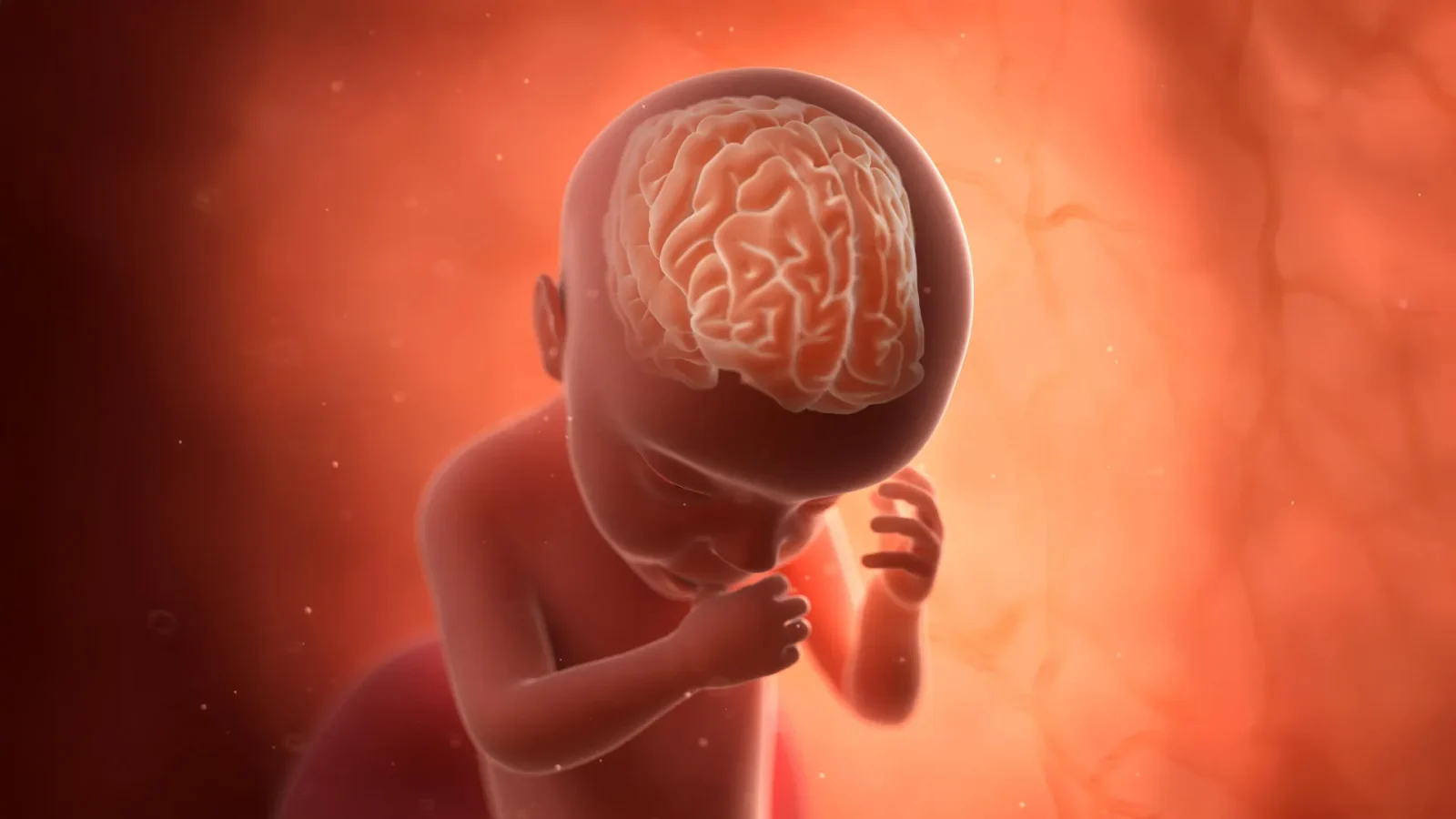
Study scope and population
Researchers analyzed health data for 3.7 million people in Sweden. The team focused on congenital TORCH infections that move from a pregnant woman to her developing fetus.
Elevated risk findings
Children with these infections were about three times more likely to receive an autism diagnosis. Those affected faced more than seven times higher odds of having an intellectual disability, with severe cases reaching up to 30 times the likelihood.
Infection types involved
The category includes cytomegalovirus, rubella, toxoplasma, and herpesvirus among others. Reneé Gardner from Karolinska Institutet noted that transmission is unusual and accounts for a very small proportion of all autism cases.
Reported by one outlet
Only one outlet has published this. Nothing here has been checked against a second report, so read it as that outlet's account and follow the link below for the original.
Reported by
1 independent outlet. Headline as published. Links open the original report.