Psychologists explain how naming emotions aids mental health
Experts describe a tool called the feelings wheel that helps people identify specific emotions to improve mental health outcomes.
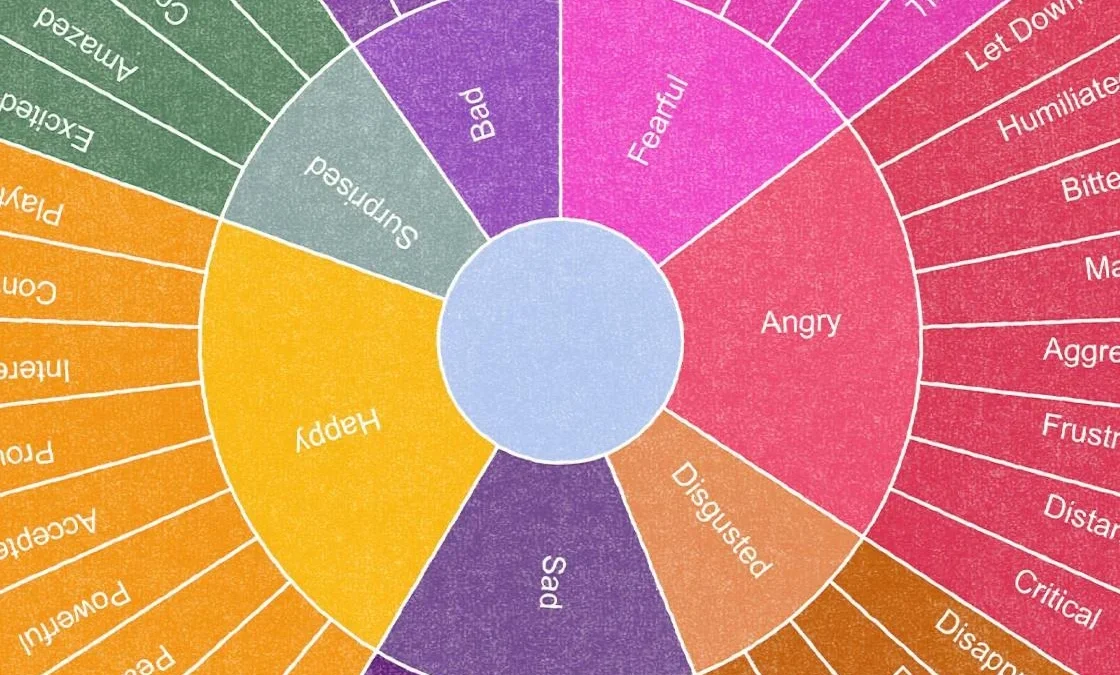
The feelings wheel tool
Dr Gloria Willcox created this visual aid in the early 1980s. The device displays three concentric circles with colored sections representing different emotion categories. Inner rings list broad feelings like sad or happy while outer rings show specific sub-emotions such as remorseful or humiliated. Therapists and classrooms now use laminated posters or wooden charts to help users move from blanket terms to nuanced descriptions.
Scientific concept of granularity
Neuroscientist Lisa Feldman Barrett first identified emotional granularity in 2004 as the ability to name emotions precisely. Dr Katie Hoemann notes this skill allows people to understand why they feel a certain way and what actions to take. Roughly 10 percent of the general population struggle with this task due to a trait called alexithymia. This condition literally means having no words for emotions and affects about one in ten individuals.
Benefits for recovery
Dr David Kimhy states research links higher granularity with lower mental illness levels and better emotional regulation. His team published a review showing these benefits apply across various social and health contexts. People using the tool may experience reduced chances of relapse for substance users in recovery programs.
Reported by one outlet
Only one outlet has published this. Nothing here has been checked against a second report, so read it as that outlet's account and follow the link below for the original.
Reported by
1 independent outlet. Headline as published. Links open the original report.