Penn State researchers develop light-activated nanoparticles for head and neck cancer
Penn State scientists have created a new light-activated nanoparticle system designed to treat head and neck cancer while preserving healthy tissue.
Nanoparticles shrink tumors in mice
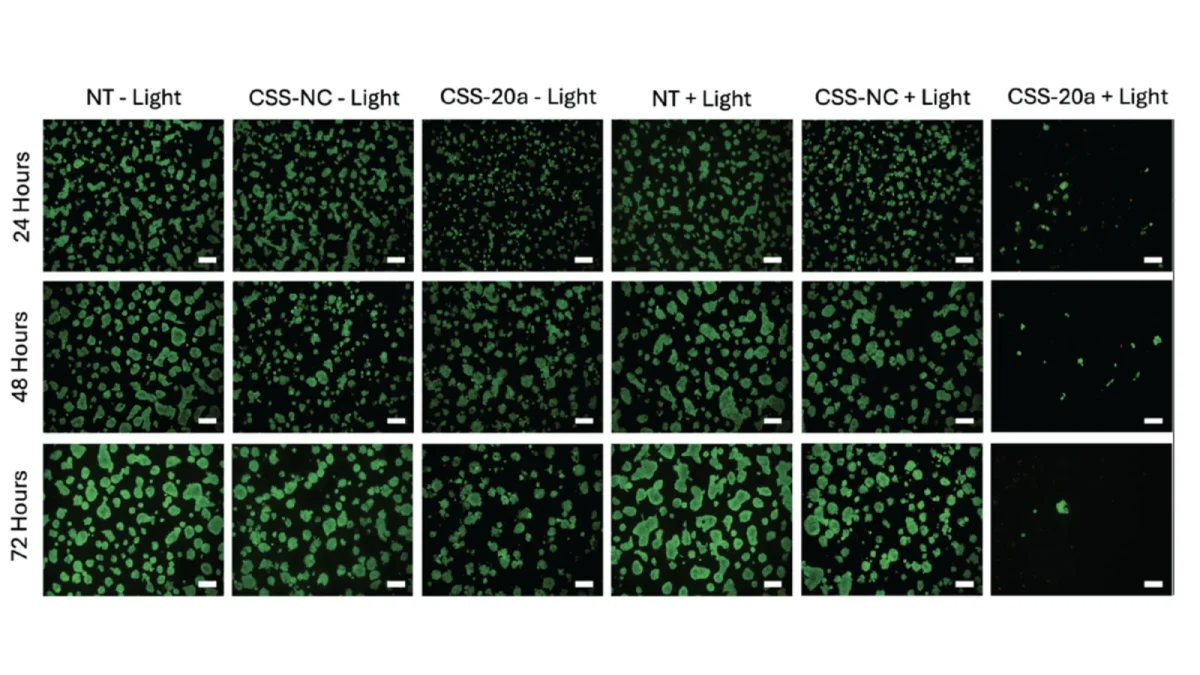
Researchers at Penn State developed nanoparticles made from layers of gold and silver. These particles deliver a laboratory version of microRNA-20a-5p to target cancer cells. The system releases the therapeutic molecule only when exposed to near-infrared light. In tests with mice bearing human hypopharyngeal cancer, a single dose reduced tumor volume by about 95 percent within 48 hours.
Technology aims to spare organs
Neerav Goyal leads the research team in the Departments of Otolaryngology and Surgery at Penn State College of Medicine. He notes that current treatments often damage abilities to speak, swallow, or breathe due to invasive procedures. By shrinking tumors before surgery, doctors could preserve tissues like the tongue or jaw for easier reconstruction. Daniel Hayes explains that this approach avoids harmful accumulation in organs such as the liver.
Penn State licenses new tech
Penn State has licensed the technology to Illuminate Therapeutics for advancing preclinical development. "This research appeared in the Journal of Biomedical Materials Research Part A." This innovation solves the problem of delivering genetic materials without harming healthy body parts. The particles convert light into localized heat to trigger treatment release at specific sites.
Reported by one outlet
Only one outlet has published this. Nothing here has been checked against a second report, so read it as that outlet's account and follow the link below for the original.
Reported by
1 independent outlet. Headline as published. Links open the original report.