NIH Studies Link Glyphosate To Cancer Risks
The US National Institutes of Health released three new studies linking glyphosate to cancer, contradicting recent Environmental Protection Agency conclusions on the widely used pesticide.
New Research Challenges EPA Findings
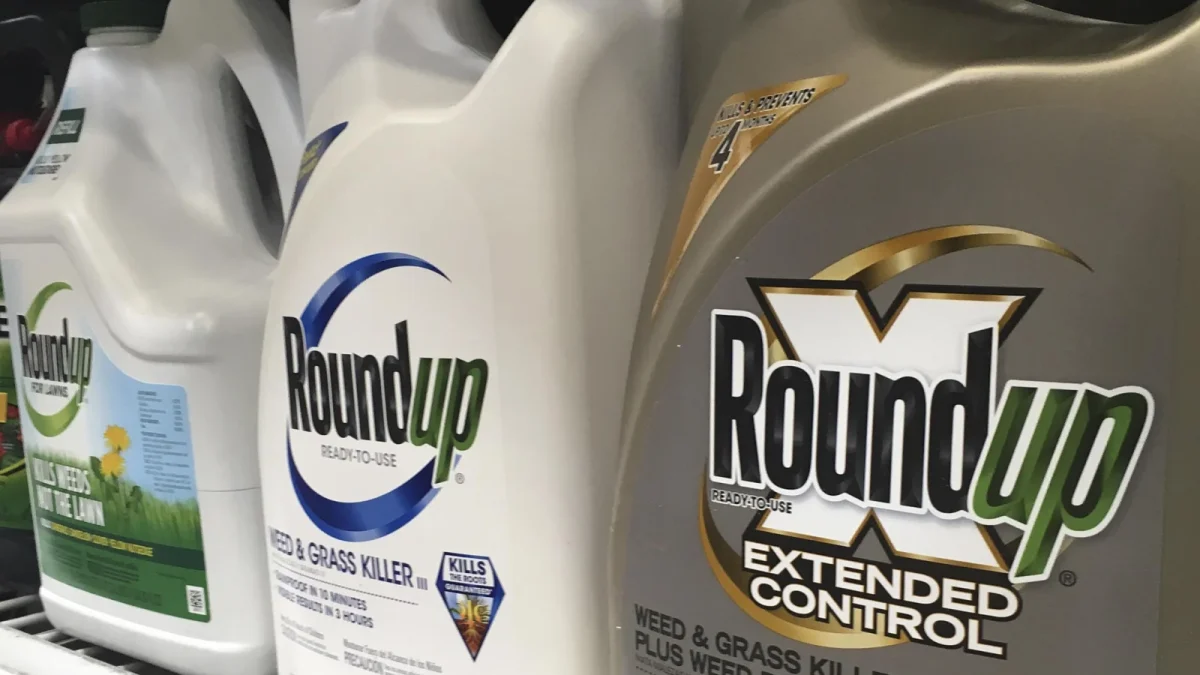
The National Institutes of Health published three papers connecting glyphosate to blood cancers in humans and tumors in animals. This release contradicts a recent Environmental Protection Agency conclusion that the herbicide is not a carcinogen. The findings deal a significant blow to the White House, which has closely allied with Roundup producer Bayer. Nathan Donley from the Center for Biological Diversity stated the studies raise questions about chemical companies influencing EPA reviews.
Bayer Sales And Legal Context
Bayer recorded $2.8bn in sales for the herbicide during 2024 while defending its safety vigorously. The Environmental Protection Agency is currently undergoing a court-ordered re-evaluation of glyphosate's cancer risks. A previous court threw out EPA findings in 2022 because the agency did not use proper scientific protocol. An executive order from Donald Trump previously aimed to protect the substance's production and provide immunity to producers.
Regulatory Pressure And Future Steps
If the EPA concludes glyphosate is linked to cancer, it would face a modest increase in regulations. Conversely, new NIH studies complicate the legal terrain if the agency maintains its non-carcinogen stance. The Environmental Protection Agency expects to finish its risk assessment early next year. Ruveon, a Bayer subsidiary managing Roundup in the US, reiterated that leading health authorities have repeatedly concluded glyphosate does not cause cancer.
Reported by one outlet
Only one outlet has published this. Nothing here has been checked against a second report, so read it as that outlet's account and follow the link below for the original.
Reported by
1 independent outlet. Headline as published. Links open the original report.