New research links faster biological aging to rising cancer rates in younger adults
Scientists at Washington University School of Medicine in St. Louis report on September 14, 2026, that accelerated biological aging may explain increasing early-onset cancer cases.
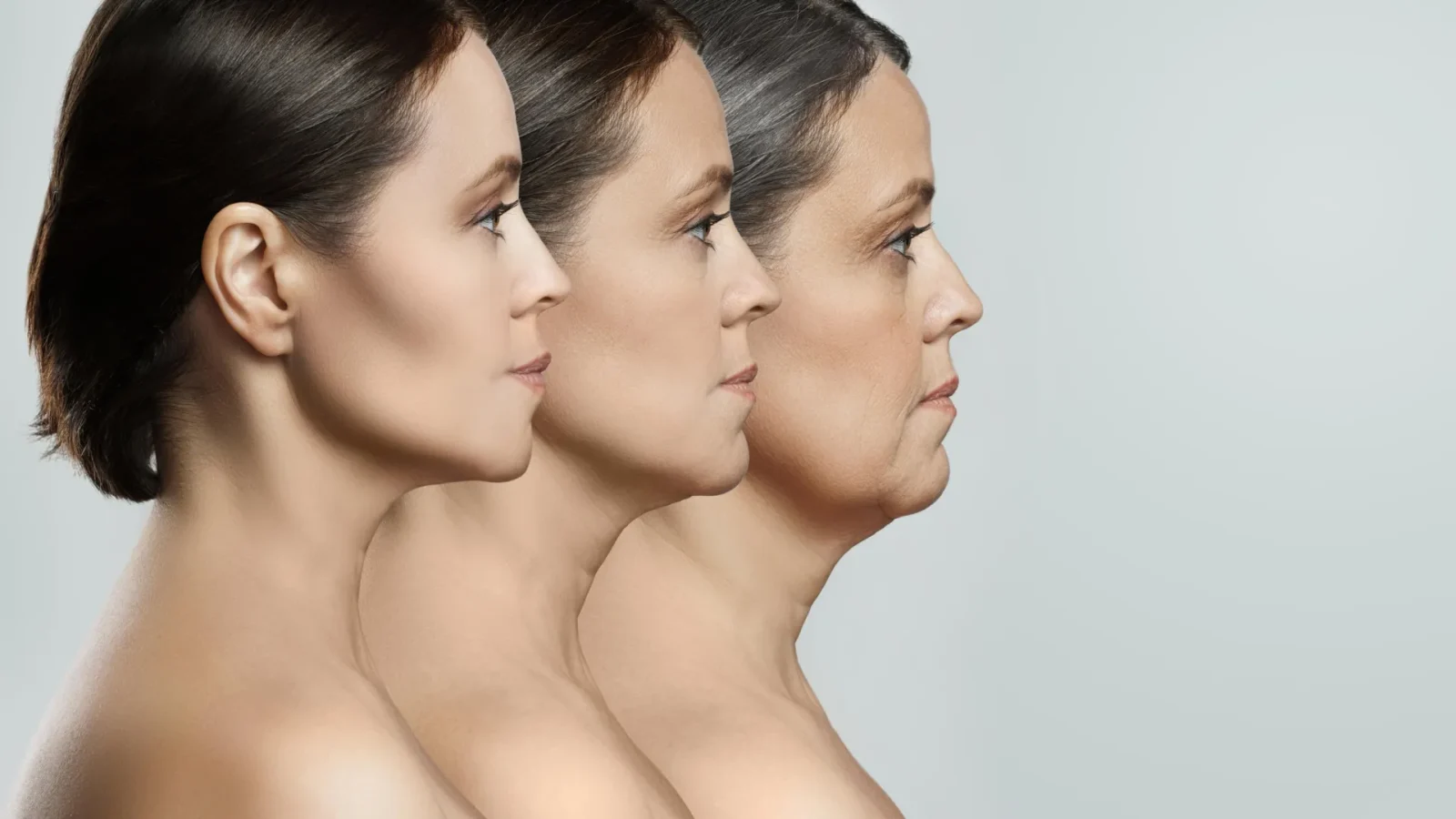
Generational differences in cell damage
Researchers found that people from recent generations show signs of greater biological age acceleration compared to earlier cohorts at the same chronological age. This hidden acceleration appears to contribute directly to the growing number of early onset cancers diagnosed in adults under 55.
Specific cancer types affected
The study identified distinct patterns linking this biological aging speedup to higher risks for lung, gastrointestinal, uterine and colorectal cancers. Longer life spans normally allow cells more time to accumulate damage that leads to tumor growth, but newer generations seem to face this risk sooner.
Study location and findings
The team led by Washington University School of Medicine in St. Louis gathered evidence supporting the idea that younger bodies are aging more rapidly than expected. These findings suggest that environmental or lifestyle factors might be causing cells to accumulate damage at a faster rate than previous generations.
Reported by one outlet
Only one outlet has published this. Nothing here has been checked against a second report, so read it as that outlet's account and follow the link below for the original.
Reported by
1 independent outlet. Headline as published. Links open the original report.