Michigan State Researchers Test Locust Brains For Bacterial Biofilms
A team at Michigan State University found locust antennae can distinguish bacterial biofilm odors from free-floating cells in a new study.
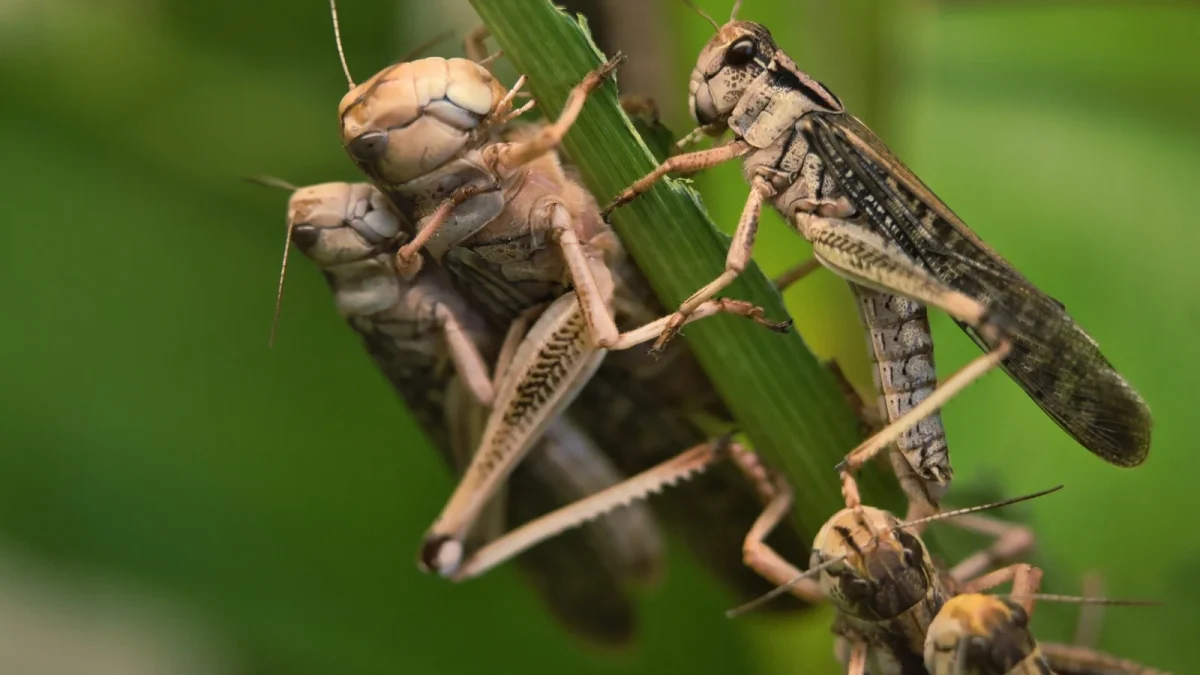
Locusts Detect Bacterial Growth States
Researchers at Michigan State University explored whether insects could detect difficult-to-treat bacterial infections inside human lungs. The team led by Michael Parnas compared two species, Pseudomonas aeruginosa and Staphylococcus aureus, in solid biofilms versus planktonic cultures. They recorded electrical activity from the locust antennal lobe when insects smelled these different bacterial states. Jonathan Hardy noted that wires in the insect brain could tell exactly what the locust was smelling.
Previous Work On Cancer Smells
Associate professor Debajit Saha previously demonstrated that the locust olfactory system distinguishes chemical signatures of human oral and lung cancer cells. This earlier research offered a promising starting point for investigating bacterial odor differences. Bacteria release volatile organic compounds as they grow and metabolize nutrients in complex mixtures. These chemical mixtures vary depending on the bacteria producing them and their growing conditions.
Surprising Discrimination Of Odors
The researchers found that locusts could recognize differences between growth states within each bacterial species quite surprisingly. "Saha noted that it remained unclear if the odor data indicated whether bacteria existed on a biofilm surface or were growing planktonically." The electrical patterns generated by the insects were incredible enough to reveal such specific biological details.
Reported by one outlet
Only one outlet has published this. Nothing here has been checked against a second report, so read it as that outlet's account and follow the link below for the original.
Reported by
1 independent outlet. Headline as published. Links open the original report.