Dock leaves do not cure nettle stings according to experts
Professor John Tregoning of Imperial College London explains why dock leaves fail to treat nettle stings and suggests the remedy relies on distraction rather than chemistry.
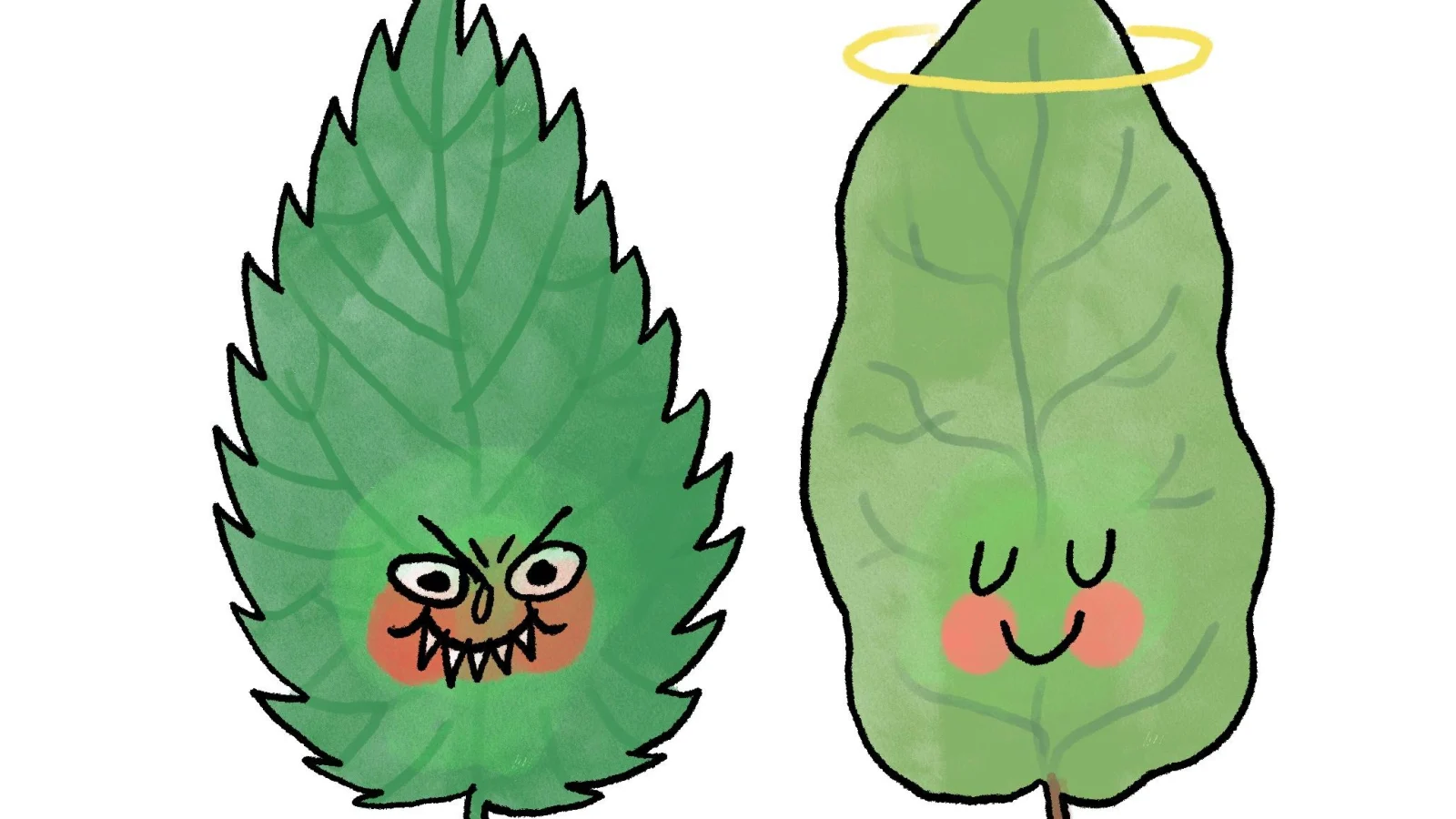
Tiny hairs release chemicals
Brushing against a stinging nettle causes tiny plant hairs to pierce the skin. A blend of substances such as histamine, acetylcholine and serotonin is discharged by these hairs into the body. The released substances trigger burning sensations, itching and redness on the affected area. Professor John Tregoning states that dock leaves probably do not contain unique antihistamines to stop this reaction.
Rubbing provides competing sensation
Touching a leaf to the skin can offer an opposing feeling that briefly diverts attention away from the hurt. Nerve cells have a limit to the number of sensations they can process at once. Overstimulating them with rubbing reduces feedback from the original pain signal. A brief moment of discomfort ends when one searches for dock leaves to spend time with them.
Study compares two plants
Researchers examined dock leaves versus lettuce leaves to treat nettle stings among nine medical students in a limited study. It found no meaningful difference between the two types of plant leaves used for relief. According to Tregoning, users probably experience only a placebo effect rather than any real benefit. The sap application might provide cooling or soothing benefits, yet this property does not belong exclusively to dock.
Reported by one outlet
Only one outlet has published this. Nothing here has been checked against a second report, so read it as that outlet's account and follow the link below for the original.
Reported by
1 independent outlet. Headline as published. Links open the original report.