BMI tool originally for populations not individual health verdicts
A letter to The Guardian explains that the body mass index was designed in the 1830s for population studies rather than diagnosing individual patients.
Historical origins of the metric
Belgian statistician Adolphe Quetelet devised the index in the 1830s to describe the average man across whole populations. The tool was largely forgotten until American physiologist Ancel Keys revived it in 1972 and gave it its current name. Keys developed the diet-heart hypothesis while using the metric for population studies rather than individual health checks. US life insurers had long priced policies on weight against height drawn from their policyholders mortality data. Medicine absorbed this logic when weight relative to height became the standard yardstick for clinicians.
Limitations of current diagnostic methods
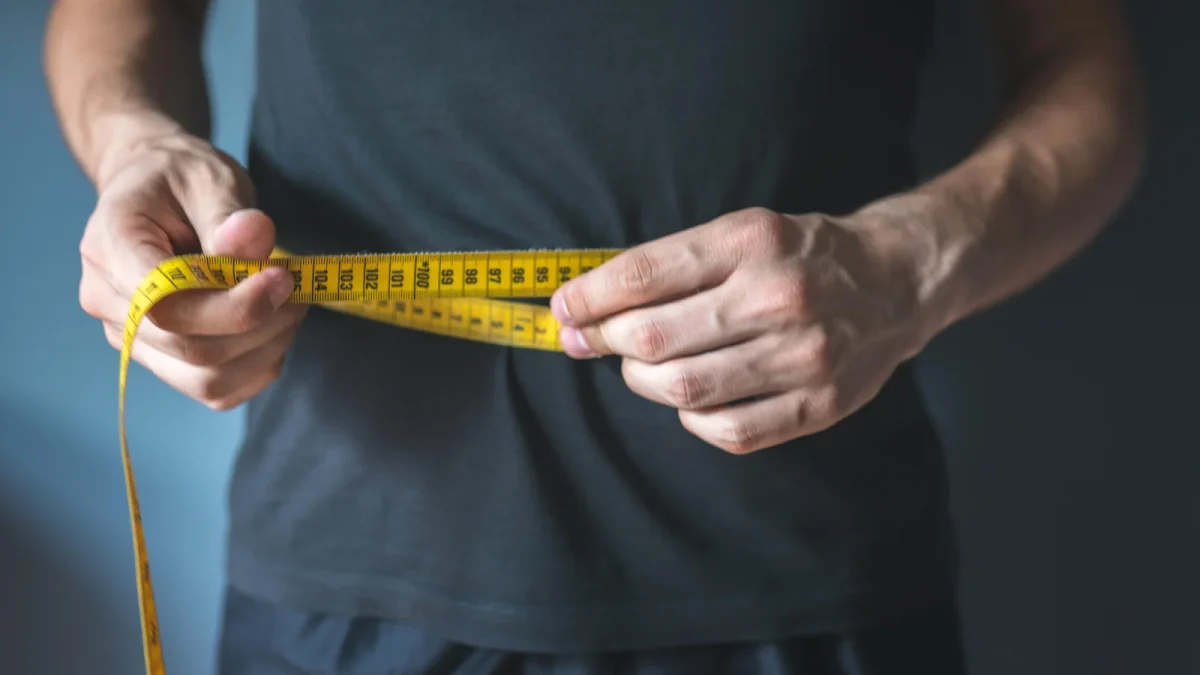
The index requires only scales and a tape measure but shows deviation from the norm at a glance. Clinicians often overinterpreted individual results because they measured what was easy instead of what mattered for health. Under this system, a muscular rugby athlete and a thin individual with perilous visceral fat could both seem healthy. The Lancet Commission approach adds waist measurements and tests of organ function as a step in the right direction. Tellingly though the new method still begins with BMI despite habits formed over nearly two centuries being hard to break.
Recommendations for clinical practice changes
When the goal involves diagnosing specific patients instead of characterizing groups, doctors must begin by examining the individual currently before them. Doctors must stop relying on Quetelet average person as the starting point for their assessments. James Capon from Waterloo Belgium argues that medical habits formed over nearly two centuries are difficult to break completely. The letter welcomes reports on better ways to diagnose obesity while reminding readers how reliance on BMI developed historically.
Reported by one outlet
Only one outlet has published this. Nothing here has been checked against a second report, so read it as that outlet's account and follow the link below for the original.
Reported by
1 independent outlet. Headline as published. Links open the original report.